

What makes Tapentadol particularly alarming is its potency—approximately 300 times stronger than tramadol and other available painkillers. While primarily prescribed for musculoskeletal pain associated with arthritis, rheumatoid arthritis, low back pain, spondylosis, and gout, as well as neuropathic pain from diabetic peripheral neuropathy, its misuse has spiraled into a public health crisis.

By Mansoor Sharma
Our beloved state has witnessed substance abuse evolve through multiple phases, with various illicit drugs and substances devastating an enormous youth population. While heroin has remained the primary drug of choice since the late 1980s, the abuse of pharmaceutical drugs has emerged as an equally significant threat.
We vividly recall the Spasmo-Proxvyon pandemic that swept through our youth in the early 2000s, lasting well into the decade. That crisis flooded treatment centers with dependency cases, fueled drug-related crimes, caused overdose deaths, created severe health complications, and left countless individuals with painful abscesses from intravenous use. Now, history appears to be repeating itself with a new pharmaceutical drug entering the market—Tydol—which follows an eerily similar pattern of abuse and consequences.
What Is Tapentadol?
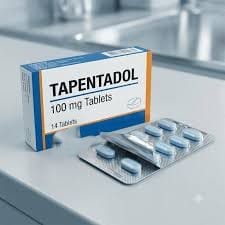
Tapentadol, marketed under various names, comes in dosages of 50mg, 100mg, 150mg, and 200mg. This synthetic opioid-based painkiller is designed to counter moderate to severe pain through a dual-action mechanism: it activates μ-opioid receptors in the central nervous system while simultaneously inhibiting noradrenaline re-uptake, strengthening the body’s natural pain inhibitory pathways.
What makes this drug particularly alarming is its potency—approximately 300 times stronger than tramadol and other available painkillers. While primarily prescribed for musculoskeletal pain associated with arthritis, rheumatoid arthritis, low back pain, spondylosis, and gout, as well as neuropathic pain from diabetic peripheral neuropathy, its misuse has spiraled into a public health crisis.
The Perfect Storm: Price Hikes and Easy Access
During the communal crisis of 2023-2024, heroin prices skyrocketed to Rs. 4,000-5,000 per container. Desperate users seeking cheaper alternatives discovered Tapentadol—readily available, significantly less expensive, and just as dangerous. Users began ingesting the drug or crushing tablets for intravenous administration. This transition from heroin to Tapentadol has dramatically increased, with treatment facilities across the state now reporting fresh cases of dependency, including among females, ranging from moderate to severe conditions.

The Agonizing Reality of Withdrawal
Withdrawal symptoms begin within 6-8 hours, peak at 36-72 hours, and typically last 7-10 days—though severe cases can extend up to 20 days. Sufferers endure rhinorrhea, fever, chills, severe body aches, muscle cramps, nausea, vomiting, diarrhea, dehydration, agitation, hypertension, severe anxiety, insomnia, extreme weakness, piloerection, and yawning.
A Health Crisis Compounded
The situation grows more dire when considering the existing burden of viral infections—HIV, HCV, and HBV—already prevalent among injecting drug users in our state due to needle sharing practices. Tapentadol injection sites frequently swell and develop recurrent abscesses over time. In severe cases, patients develop myiasis (a parasitic infection where maggots grow inside living human tissue) and complicated ulcers from cellulitis (where bacteria enter through open wounds to infect deeper tissues). These critical cases demand prompt, intensive medical care.
The Data Speaks Volumes
Between January 2017 and January 2023, 933 cases of opioid use disorder were recorded, with 228 patients reporting Tapentadol as their primary drug—all registering after February 2017. The steady increase is alarming: from 14 patients in 2017 to 87 in 2022, with only a dip during COVID-19 restrictions in 2020. (Reference: Indian Journal of Psychiatry 67(2):p 256-259, February 2025 | PMCID: PMC11964174 PMID: 40181877)
Treatment approaches have shown promise, with studies demonstrating the efficacy of gabapentin, benzodiazepines, clonidine, and tramadol in reducing withdrawal severity. However, with increasing prevalence and limited resources, healthcare providers must develop evidence-based strategies to overcome treatment barriers. (Reference: Asian Journal of Psychiatry, © 2020 Elsevier B.V.)
Despite the devastating impact already witnessed, astonishingly, no drug safety alerts or advisories have been issued by the Pharmacovigilance Program of India (Indian Pharmacopoeia Commission, 2019). The current drug label does not even indicate Tapentadol as a Schedule H or H1 drug—a glaring oversight given the existing drug crisis and illicit trade networks that presumably intersect with our border state of Manipur.
What Must Be Done
The time for action is now. We urgently need:
– More research and studies to quantify the full scope of the Tapentadol problem
– Expert collaboration among healthcare professionals, Community Based Organisations, and NGOs
– Public awareness campaigns to educate communities about this grave danger
– Comprehensive data collection to develop effective withdrawal management protocols
– Strict regulations and enforcements on the sale and procurement of this drug
– Equipped treatment centers with vigilant, informed professionals
Our young lives are at stake. The silent epidemic of Tapentadol abuse is claiming victims, destroying families, and ravaging communities. We cannot afford to wait until the damage becomes irreversible.
(The writer is a counsellor at Vision Of Hope, TRUST Centre, Khonghampat)