

IUCN noted that species are already being impacted by anthropogenic climate change, and its rapid onset is limiting the ability of many species to adapt to their environments. Climate change currently affects at least 10,967 species on the IUCN Red List of Threatened Species, increasing the likelihood of their extinction in the near future, it stressed

By Salam Rajesh
Come to think of it, how far reaching could be the arching outreach of changing weather and climate conditions because of rising global temperature, more specifically on species of plants, animals and insects that thrive on planet Earth along with humans.
The International Union for Conservation of Nature (IUCN) is of the expressed opinion that 1 (one) degree Celsius rise in mean global temperature is causing serious and often unexpected impacts on species, affecting their abundance, genetic composition, behavior, and survival.
Prioritizing nature conservation and embracing strategies to promote climate change adaptation can enhance species survival in the face of the triple planetary crises, the global organization on nature conservation observed (IUCN Issues Briefs; www.iucn.org/issues-briefs).
While stressing that species declines threaten the services that nature provides to people, which include the continuation of the food chain, functioning as carbon sinks, and increasing humans’ resilience to climate change, IUCN re-emphasized that environmental policies aimed at reducing CO2 and the other greenhouse gas emissions are essential for reducing the impact of climate change on species – in specific vulnerable species of plants and animals.
IUCN noted that species are already being impacted by anthropogenic climate change, and its rapid onset is limiting the ability of many species to adapt to their environments. Climate change currently affects at least 10,967 species on the IUCN Red List of Threatened Species, increasing the likelihood of their extinction in the near future, it stressed.
Citing a lurid example, IUCN says the Bramble Cay Melomys (Melomys rubicola) is the first mammal reported to have gone extinct as a direct result of climate change. Previously found only on the island of Bramble Cay in the Great Barrier Reef, its habitat was destroyed by rising sea levels.
Yet another example are corals which form one of the most biodiverse ecosystems, yet they are among the most rapidly declining species groups due to mass bleaching, disease and die-offs caused by rising ocean temperatures, as well ocean acidification, says IUCN.
Meeting the Paris Agreement’s target of less than 2 degree Celsius rise in global temperatures by 2050 is, therefore, highly essential for the survival of coral reefs, it stressed.
Citing that in addition to increased rates of disease and degraded habitats, wherein climate change is causing changes in species themselves, which in turn threaten their survival, IUCN noted that rising temperatures have led to ecological changes including the migration of Chinook salmon (Oncorhynchus tshawytscha) to Arctic rivers, while behavioral changes in species include earlier breeding times for North American tree swallows (Tachycineta bicolor).
Climate change is further causing significant physiological changes where warmer temperatures during egg incubation are causing imbalanced female to male sex ratios among Endangered green sea turtles (Chelonia mydas), with females accounting for 99% of newly hatched turtles on some nesting beaches, the organization said.
Genetic changes attributed to climate change include hybridization, that is, interbreeding as species’ habitats change, thereto affecting species such as the common toad (Bufo bufo) and green toad (Bufotes balearicus) as in southern Italy.
Climate change interacts with threats such as habitat loss and overharvesting to further exacerbate species declines. The decline of species and ecosystems can then accelerate climate change, creating a feedback loop that further exacerbates the situation, it noted.
Sounding concerns on altered food chains, IUCN stressed that the effects of climate change on even the smallest species can threaten ecosystems and other species across the food chain. Citing example, IUCN noted that increased sea-ice melt and ocean acidification in the Arctic Ocean is reducing krill populations, thereby threatening the survival of whales, penguins and seals that depend on krill as their primary food source.
Since species lowest in the food chain are often among the first impacted by climate change, the full impacts of species loss may not be seen for decades, it observed.
On land, the types and severity of diseases that affect crops are also changing. For instance, incidences of Fusarium ear blight on wheat are increasing due to rise in temperature and rainfall. These can produce mycotoxins that make wheat inedible and cause crop losses of up to 60%, IUCN noted.
Referring to Invasive Alien Species (IAS), IUCN says they are among the main causes of biodiversity loss and species extinctions, and the proliferation of invasive species is often exacerbated by climate change.
Citing an example, native to South America, the water hyacinth (Pontederia (Eichhornia) crassipes) can now be found in parts of every continent except Antarctica, and it is expected to increase its range as the climate warms. The water hyacinth deoxygenates rivers, killing fish populations, which in turn reduces income and food supply for local communities.
Climate change affects the ability of plant species to sequester carbon, turning carbon sinks into carbon sources. Warmer temperatures are increasingly leading to tree death caused by disease, drought conditions and an upsurge in the number and severity of forest fires, which leads to an increase in carbon emissions, it noted.
By functioning as carbon sinks, ecosystems like forests, wetlands and tundra combat climate change and play a key role in helping countries meet their Paris Agreement targets. Restoring ecosystems and reforesting in biodiversity-friendly ways with climate-change resilient species can further increase their effectiveness, the report noted.
Emphasizing that species are the building blocks of ecosystems, and reducing risks to species posed by climate change is essentially critical, IUCN stressed that sound conservation responses include helping species adapt to shifting climates and preparing strategies for coping with extreme weather events such as heat waves, floods and droughts.
While stressing that minimizing non-climate stressors is essential for increasing species’ future resilience to climate change, IUCN noted that humans’ responses to climate change, including changing land use (e.g. planting biofuels) and building hard infrastructure (e.g. wind turbines and dams), may have negative impacts on species if biodiversity is not considered.
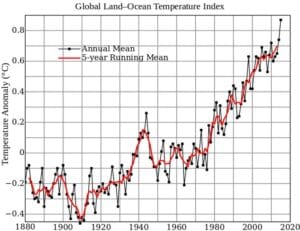
Mean global temperatures have risen at least 1 (one) degree Celsius since the pre-industrial times (1850-1900) as a result of human activities. In addition to increasing global temperatures, the impacts of climate change include extreme weather events like drought, wildfires, heat waves, cyclonic storms, cloudbursts, typhoons, hurricanes and rising sea levels that drastically impacts both human and natural environments.
Tools are available to support species conservation under climate change, including the IUCN Red List, the IUCN SSC Guidelines for Assessing Species’ Vulnerability to Climate Change, and the Integrated Biodiversity Assessment Tool.
The IUCN Red List provides up-to-date information on species’ threat statuses, while the IUCN Species Survival Commission offers guidelines for assessing species’ vulnerability to climate change. The Integrated Biodiversity Assessment Tool (IBAT) provides basic risk screening on biodiversity, enabling governments and businesses to mitigate their impacts on species and biodiversity.
Efforts to conserve species and mitigate the impacts of climate change, therefore, require approaches that include meeting climate targets, conserving and securing habitats, and helping species adapt.
Wrapping up on these concerns, IUCN emphasized that the long-term and cohesive actions to meet the Paris Agreement targets for emissions reductions can prevent temperature increases from exceeding the critical 2 degrees Celsius threshold, vital for life to survive on the blue planet.