
A society that fails to honour the labour of art cheapens its own culture. True respect for an artiste means valuing not just the performance, but the person, their livelihood, their effort, and their right to fair treatment.
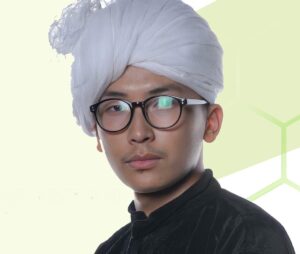
By Marjing Mayanglambam
Manipur stands as one of India’s most culturally vibrant states. My homeland breathes art—from the haunting melodies of Pena to the divine grace of Ras Leela, from indigenous theatre to bold contemporary fusions. Yet, behind this dazzling display lies a painful truth: we, the artistes who embody Manipur’s soul, are too often denied the most basic respect, recognition, and dignity.
We are cultural ambassadors, carrying the essence of Manipur to national and global stages. Yet, in matters of policy, payment, or public acknowledgment, we are rendered invisible. If Manipur’s pride is its art, why are its creators so overlooked?
Events like the Sangai Festival—a grand celebration of Manipuri culture—lay bare this hypocrisy. I recall the 2017 edition: cramped, airless green rooms, no refreshments, no rest areas, and payments delayed or denied. Such neglect is not incidental; it is systemic.
Ministers and dignities take the stage, extolling Manipur’s “artistic brilliance.” Yet backstage, the very creators of that brilliance stand exhausted, undervalued, and ignored. When the heartbeat of a cultural celebration is treated as an afterthought, what does that say about the celebration itself?
Every artiste in Manipur knows this dissonance. Before the performance, we are lavished with praise: “You are Manipur’s pride,” “Your art defines us.” But when it comes to payment, the same voices falter, haggling as if our worth were negotiable.
I have learned that praise without fair pay is empty flattery. Words ring hollow when not backed by dignity and justice. A society that trivializes artistic labour ultimately devalues its own cultural heritage. True respect means honouring not only the art, but the artiste—their effort, their livelihood, their right to fairness.

For us, art is more than entertainment. It is a moral, emotional, and aesthetic force. Through song, dance, and drama, we question, heal, and unite. We build bridges of empathy where politics often fails. In times of unrest, we are peacemakers; across communities, we are unifiers. Every Pena performer, Khunung Eshei singer, Shumang Leela actor, weaver, and dancer carries a piece of Manipur’s soul. Our value lies not only in applause, but in the legacy we nurture.
Yet, recognition in Manipur’s art world often hinges not on talent, but connections. I have watched gifted artistes—guardians of fading traditions—remain invisible, overlooked by a system skewed by favouritism. Awards and honours often follow invisible lines of influence, leaving true merit in the shadows. Corruption and nepotism stifle sincerity and discourage the next generation. True cultural growth cannot thrive in such soil—it needs fairness, transparency, and respect for genuine talent.
But respect is a two-way street. We artistes must also uphold dignity through discipline and integrity. I have seen some among us chase clout and quick cash, performing without discernment, diluting their art’s sanctity. Others succumb to rivalry and pettiness. Such behaviour erodes our collective standing. Respect is earned through professionalism, self-respect, and solidarity—it cannot be demanded where it is not cultivated.
Manipur’s artistic ecosystem needs structural reform, not just lip service. Government bodies, event organisers, and cultural institutions must establish clear standards: dignified green rooms, timely payments, travel support, insurance, and regulated working hours.

Beyond infrastructure, we need trust and transparency. An Artiste Welfare Fund, equitable cultural grants, and merit-based awards are essential. And audiences must recognize that art is not free—it demands time, energy, and emotional investment. Respect begins when society acknowledges that our work, like any other, deserves its due.
It is with both pride and sorrow that I say: Artistes are the soul of Manipur. We have given this land its rhythm, its identity, its global cultural presence. Yet, too many of us languish in the shadows, torn between passion and survival. Honouring us is not charity—it is justice.
If Manipur truly aspires to be a cultural beacon, it must start by honouring those who embody its spirit. Let us build a future where artistes no longer plead for recognition, where worth is measured by talent, not ties, and where respect is embedded in the system.
I speak not only for myself, but for every artiste who sings, dances, and creates against all odds. We do not seek pity—we seek respect. We do not want only applause—we want acknowledgment. We do not strive for survival—we deserve a life worthy of the art we serve.
(Marjing Mayanglambam is currently pursuing M.A. Folklore & Culture Studies. He is also a Pena Artiste & Researcher, Laihui Ensemble)