

At least 4294 species out of 23,496 freshwater animals on the IUCN Red List are at high risk of extinction. Crabs, crayfishes and shrimps are at the highest risk of extinction of the groups studied, with 30% threatened, followed by 26% of freshwater fishes and 16% of dragonflies and damselflies

By Salam Rajesh
One quarter of the freshwater animals across the globe is at risk of extinction. This is the latest alarm bell sounded by the International Union for Conservation of Nature (IUCN) as per its recent assessment of the IUCN Red List.
The largest global assessment of freshwater animals on the IUCN Red List of Threatened Species to date revealed that up to 24 percent of the world’s freshwater fish, dragonfly, damselfly, crab, crayfish and shrimp species are at high risk of extinction, according to an analysis published in the scientific journal ‘Nature’ earlier this year.
The study, “One quarter of freshwater fauna threatened with extinction”, found at least 4294 species out of 23,496 freshwater animals on the IUCN Red List are at high risk of extinction.
Crabs, crayfishes and shrimps are at the highest risk of extinction of the groups studied, with 30% threatened, followed by 26% of freshwater fishes and 16% of dragonflies and damselflies.
The study revealed that the greatest number of threatened species is found in Lake Victoria, Lake Titicaca, Sri Lanka’s Wet Zone and the Western Ghats of India. These areas are home to some of the highest freshwater biodiversity in the world, including many species found nowhere else on Earth.
The global freshwater fauna assessment is the result of over 20 years of work by more than 1000 experts from around the world.
The IUCN co-authored study subsequently recommended targeted actions to prevent further extinctions, and called for governments and industry to use the data available in water management and policy measures to minimize impacts.
Catherine Sayer, IUCN’s Freshwater Biodiversity Lead and lead author on the paper observed that lack of data on freshwater biodiversity can no longer be used as an excuse for inaction.
“Freshwater landscapes are home to 10 percent of all known species on Earth, and are key for billions of people’s safe drinking water, livelihoods, flood control and climate change mitigation, and must be protected for nature and people alike”, she stressed.
Underground water systems around the world are found to contain more threatened species than expected. For example, North America is home to a high number of threatened crayfish, such as the Daisy Burrowing Crayfish (Fallicambarus jeanae) in Arkansas, which is Vulnerable on the IUCN Red List.
Noting that lakes, oases, and springs are hotspots for extinction, the study reflected that in 2020, fifteen fish species from Lake Lanao in the Philippines were declared Extinct on the IUCN Red List.
Pollution, mainly from agriculture and forestry, impacts over half of all threatened freshwater animals, the study noted, indicating that freshwater ecosystems are further degraded by land conversion for agricultural use, water extraction and the construction of dams, which also block fish migration routes.
Overfishing and the introduction of invasive alien species have had a particularly strong role in driving extinctions, the study said, citing example of the carp Squalius palaciosi which was last seen in 1999, and was declared Extinct in 2025 due to habitat loss through the construction of dams and weirs, and the introduction of invasive alien species in southern Spain.
The paper found that although the threatened freshwater animals studied tend to live in the same areas as threatened amphibians, birds, mammals and reptiles, they face different threats due to their specific habitats.
Dr Rajeev Raghavan, South Asia Chair of the IUCN SSC Freshwater Fish Specialist Group observed that, “Although they live side by side in the Western Ghats, conservation action for tigers and elephants will not help the Critically Endangered humpbacked mahseer (Tor remadevii), which is threatened by habitat loss due to river engineering projects, and sand and boulder mining, poaching and invasive alien species”.
“Active protection of the river and tributaries where the humpbacked mahseer lives is essential to its survival, in addition to fishing regulations and banning the introduction of further invasive alien species”, he added.
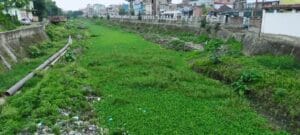
The study further revealed that areas with high water stress (where there is high demand and low supply) and areas with more eutrophication (where an excess of nutrients in the water leads to overgrowth of algae and plants) are not home to higher numbers of threatened species than areas with lower water stress and less eutrophication.
“This shows that water stress and eutrophication are not good indicators for locating threatened species and should not be used to guide conservation. Instead, it is essential that freshwater species data are actively included in conservation strategies and water use planning and management, to ensure their practices support healthy freshwater ecosystems,” observed Dr Topiltzin Contreras, Co-Chair of the IUCN SSC Freshwater Conservation Committee.
“Increased investment in measuring and monitoring freshwater species is needed to ensure conservation action, and water use planning is based on the latest information”, he stressed.
Stephanie Wear, Conservation International’s senior vice chair says on the findings that, “It is easy to see that freshwater ecosystems have been under extreme stress as drinking water becomes limited, droughts intensify and pollution seeps into these habitats. To learn that a quarter of the world’s freshwater species are at high risk of extinction as a result is a deeply troubling trend”.
“Most threatened freshwater animals like shrimps, crayfish and crabs are small, living unseen beneath the surface but no matter their size, they are essential for keeping healthy the ponds, lakes and rivers that billions of people rely on. Environmental degradation is a risk to their survival and our own”.
Malin Rivers, Head of Conservation Prioritization at Botanic Gardens Conservation International stressed that, “The study underscores the urgent situation of freshwater ecosystems, with biodiversity facing significant risk of extinction and requiring immediate conservation intervention. It is important to address the principal threats and take targeted conservation action to mitigate further decline”.
Reflecting on the study, Anne Bowser, CEO of NatureServe says that, “The finding that one quarter of freshwater animals are at risk of extinction is a stark reminder of the urgent challenges we face in protecting biodiversity. This underscores how essential high-quality, accessible data is for identifying at-risk species and taking action to conserve them. By prioritizing data-driven strategies, we can make more informed decisions to safeguard freshwater ecosystems and the species they support”.
Chouly Ou, freshwater fish conservation coordinator at Re:Wild reflected that, “Freshwater ecosystems and the species they support are often taken for granted, but they are critical to preventing biodiversity loss and securing livelihoods. As we learn more about species living in freshwater habitats around the world, it is clear that we need to scale efforts to protect them”.
Summing up the concerns generated by the findings, Dr Matthew Gollock, Chair of the IUCN Anguillid Eel Specialist Group says, “This report really drives home just how under threat freshwater species are globally as a result of human activities. The good news is, it is not too late for us to tackle threats such as habitat loss, pollution and invasive species, to ensure our rivers and lakes are in good condition for the species that call them home”.
Back home for Manipur State in North East India, most of the existing inland freshwater wetlands are in dire straits with pollution, siltation, eutrophication, invasion by invasive alien species, and human ingression leading to their gradual extinction. Loktak Ramsar site is a classic example of the absolute abuse by humans in all possible ways, with less of affective management strategies in place, unfortunately.